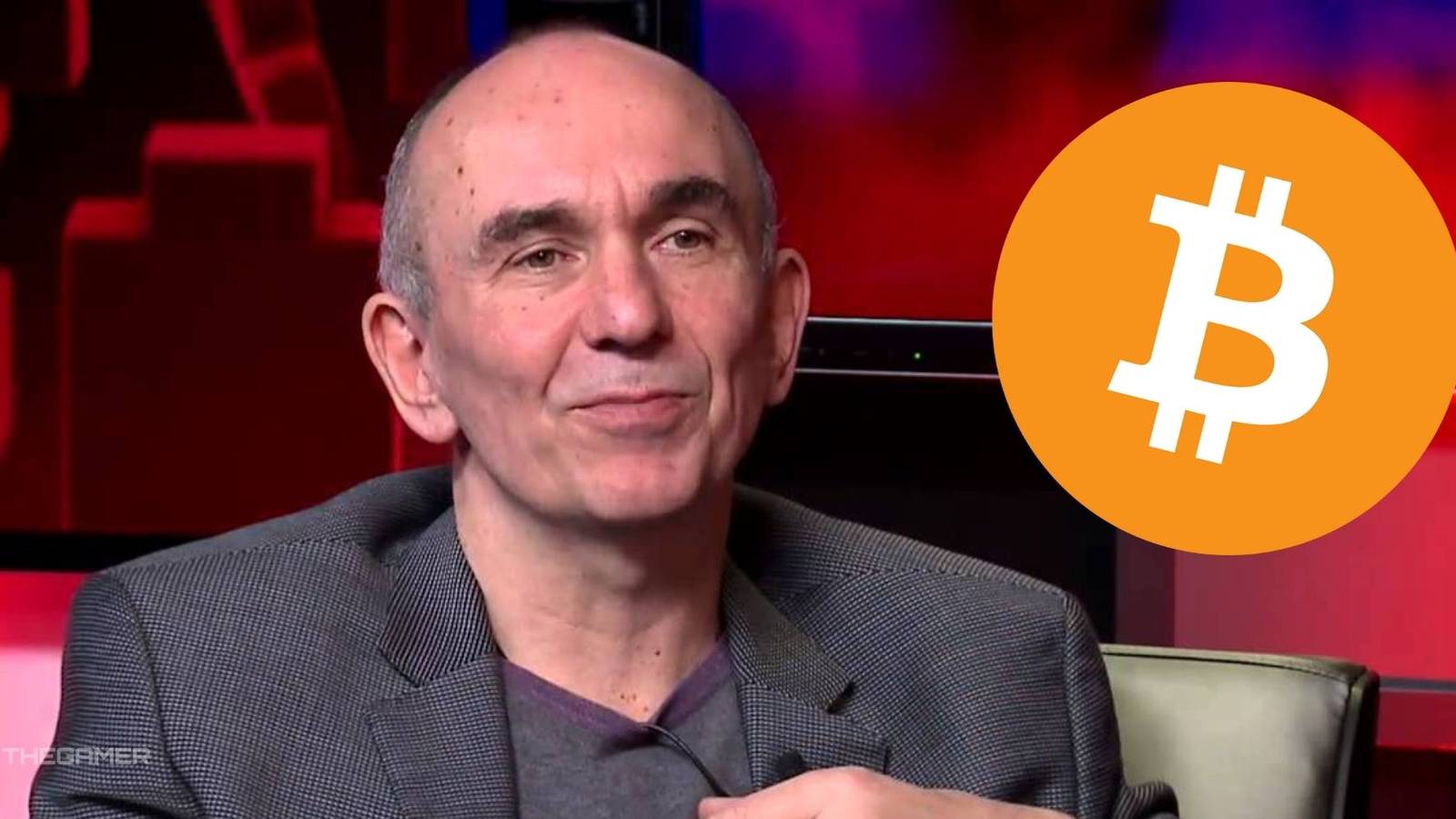
Peter Molyneux is a name that once symbolized visionary game design—god games, player agency, emotional depth. But behind the towering promises and TED Talk-worthy ambition, a trail of financial wreckage remains. The story of Molyneux isn’t just about failed mechanics or unmet expectations. It’s about real people—investors, developers, backers—who bet big on his vision and lost.
This isn’t a critique of creative risk. It’s an audit of accountability. When billion-dollar acquisitions, seven-figure crowdfunding campaigns, and studio closures follow a single developer’s trajectory, someone pays the price. Here are the players who absorbed the financial blowback of Molyneux’s most notorious ventures.
The Microsoft Gamble: Lionhead Studios’ $100M Downfall
Lionhead Studios wasn’t just a game studio. At its peak, it was Microsoft’s crown jewel in the Western RPG space. Acquired in 2006 for a reported $100 million, Lionhead was expected to deliver flagship exclusives for the Xbox ecosystem. Instead, under Molyneux’s leadership, it produced Fable Legends—a game canceled in 2016 after years of development and internal turmoil.
Who Lost? - Microsoft shareholders: The $100M acquisition value evaporated. The closure of Lionhead in 2016 marked a strategic retreat, not a pivot. - Lionhead employees: Over 150 developers lost their jobs overnight. Many had spent a decade on Fable—a franchise that, despite its charm, never evolved beyond its initial gimmick. - Xbox’s competitive position: As Sony doubled down on narrative-driven exclusives (The Last of Us, God of War), Xbox lost ground. Lionhead’s failure contributed to a creative void.
The downfall wasn’t just about Fable Legends underperforming. It was about Molyneux’s habit of promoting features that didn’t exist—“emotional AI,” “world-changing choices”—only for teams to scramble and scale back. Developers reported working under constant pressure to match the hype, often rewriting core systems months before launch.
The Kickstarter Backlash: Godus and the $900,000 That Went Nowhere
In 2012, Molyneux launched a Kickstarter for Godus, billing it as the spiritual successor to Populous. The pitch was intoxicating: a god game where players shaped worlds in real time, guided civilizations, and influenced belief systems. It raised $909,309—well over its $800,000 goal.
The reality? Godus launched in 2014 as a stripped-down pixel-art survival game with no resemblance to the demo. Worse, stretch goals—multiplayer, campaign mode, console ports—were quietly abandoned.
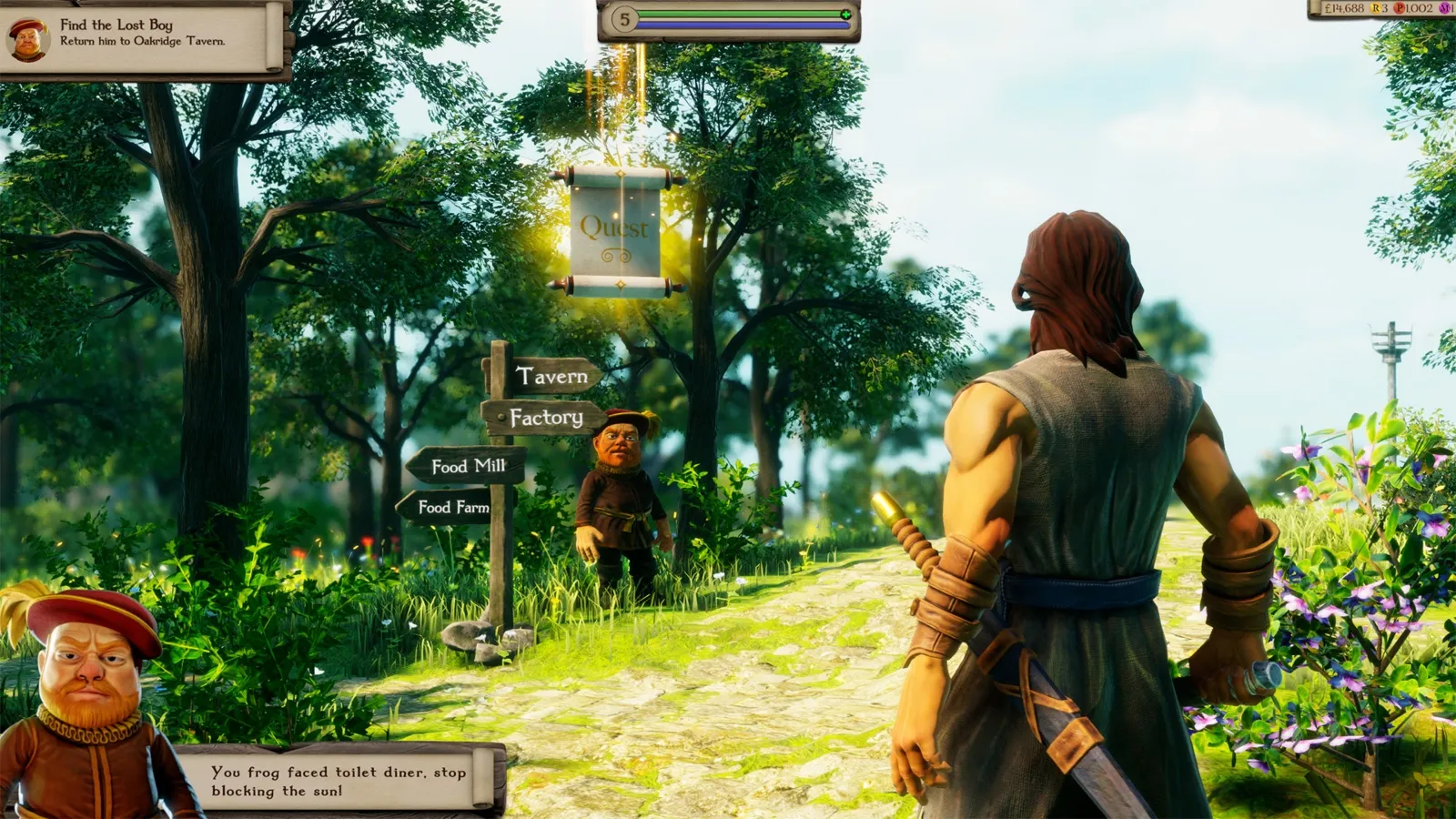
Who Lost? - 13,696 Kickstarter backers: Many paid $30–$100 for exclusive rewards that never materialized. Some waited years for a functional version. - 22cans (Molyneux’s studio): The studio’s reputation took a permanent hit. Trust eroded not just with players, but with potential investors. - The crowdfunding model itself: Godus became a cautionary tale cited in debates about accountability in indie game funding.
One backer, a UK-based teacher, told Eurogamer: “I believed in the idea. I believed in him. But after three years, I realized I wasn’t waiting for a game. I was waiting for an apology.”
Molyneux eventually stepped back from day-to-day development, handing Godus to a smaller team. The game remains in a minimal state—more proof-of-concept than product.
The Mobile Mirage: Curiosity and the Illusion of Viral Wealth
Before Godus, there was Curiosity – What’s Inside the Cube? (2012). The mobile app went viral, with millions downloading it to tap away at a six-sided digital cube. The hook? One player would eventually reach the center and receive a “life-changing” prize.
That player was Bryan Henderson, a 18-year-old from Wales. The “prize”? A contract to become Molyneux’s “immortal” advisor. No money. No royalties. Just a symbolic title.
Who Lost? - Bryan Henderson: He expected a career launchpad. Instead, he was mocked online and offered no real role at 22cans. - Players: Millions spent hours tapping—not realizing the psychological manipulation at play. The game was less about curiosity, more about data collection and ad revenue. - Molyneux’s credibility: The stunt felt less like art and more like a viral grift. When the reveal came, it reeked of condescension.
The failure wasn’t technical. It was ethical. Molyneux had gamified exploitation, turning human curiosity into a monetization engine—with no real payoff for anyone but himself.
The Publisher Fallout: Lab42 and the Collapse of Legacy
After Godus, Molyneux partnered with publisher 505 Games for Legacy, a mobile city-builder launched in 2018. Marketed as “your legacy, your city,” the game promised deep generational gameplay. Instead, it delivered pay-to-progress mechanics and shallow strategy.
It flopped. Downloads stalled. Reviews were scathing. By 2020, updates ceased. 505 Games distanced itself quietly.
Who Lost? - 505 Games: While not a catastrophic loss, the partnership damaged their reputation for backing innovative titles. Internal sources suggest the ROI was less than 15%. - Marketing teams: Millions were spent on influencer campaigns and ASO (App Store Optimization) that couldn’t overcome the negative word-of-mouth. - Players who paid: In-app purchases ranged from $5 to $99. Many felt misled by “free-to-play” branding masking aggressive monetization.
One mobile reviewer noted: “It’s not just that Legacy wasn’t fun. It’s that it felt like a betrayal. This was supposed to be Molyneux’s comeback. Instead, it was déjà vu.”
The Silent Victims: Developers Trapped in the Hype Machine
/cdn.vox-cdn.com/uploads/chorus_image/image/70269281/112379621.0.jpg)
Beyond investors and backers, the heaviest toll fell on the developers who worked under Molyneux’s leadership. At Lionhead and 22cans, employees described a culture where: - Features were announced before they were designed. - Morale collapsed as promises unraveled. - Crunch became normalized during “crisis sprints” to catch up with Molyneux’s public statements.
A former Lionhead designer, speaking anonymously, said: “We weren’t making a game. We were damage-controlling a myth. Every interview he gave made our job harder.”
This pattern—visioneering without execution discipline—repeated across projects. The cost? Burnout, broken careers, and studios that dissolved under the weight of their own hype.
The Pattern: From God Games to Broken Trust
- The issue isn’t that Molyneux failed. It’s that he failed the same way, repeatedly:
- Over-promise: Announce revolutionary features early.
- Under-deliver: Ship stripped-down, buggy versions.
- Blame tools or timelines: Cite technical limitations or market shifts.
- Move on: Launch a new project with the same cycle.
Each time, the same people paid the price: - Backers funding dreams based on trailers. - Employees betting careers on unfinished tech. - Publishers risking budgets on unproven concepts.
Even Molyneux admitted in a 2015 DICE talk: “I’ve made a lot of promises. And I’ve broken almost all of them.” That honesty came too late for those already burned.
Lessons from the Fallout
You don’t need to be a gamer to learn from this. The Molyneux saga is a case study in how charisma can mask operational failure. For anyone investing in creative ventures, here’s what to watch for:
- Feature announcements pre-alpha: If a project is demoing AI or world-scale mechanics before core gameplay is locked, red flag.
- Founder-led marketing: When one person dominates press, especially with grandiose claims, risk increases.
- Crowdfunding stretch goals: Unmet stretch goals aren’t just delays—they’re indicators of poor planning.
- Employee turnover: High churn in mid-development? Often a sign of misaligned vision.
And for creators: Ambition isn’t enough. Execution builds legacy. Hype destroys it.
Moving Beyond the Myth
Peter Molyneux’s name will always carry weight. Populous, Black & White, and Fable were groundbreaking. But legacy isn’t just what you build—it’s who you leave better off.
The players who lost money, time, and trust on his later projects weren’t naive. They believed in innovation. They believed in the idea that games could change how we interact with digital worlds.
They were right about the potential. They were wrong about the steward.
If there’s a path forward, it’s this: celebrate vision, but demand accountability. Fund ideas, but protect contributors. And never let a charismatic pitch override the fundamentals of delivery.
The cost of ignoring that lesson? Measured in millions lost, careers derailed, and a generation of fans who learned the hard way: in gaming, as in life, promises are cheap. Results are everything.
FAQ
What should you look for in The Players Burned by Peter Molyneux’s Broken Promises? Focus on relevance, practical value, and how well the solution matches real user intent.
Is The Players Burned by Peter Molyneux’s Broken Promises suitable for beginners? That depends on the workflow, but a clear step-by-step approach usually makes it easier to start.
How do you compare options around The Players Burned by Peter Molyneux’s Broken Promises? Compare features, trust signals, limitations, pricing, and ease of implementation.
What mistakes should you avoid? Avoid generic choices, weak validation, and decisions based only on marketing claims.
What is the next best step? Shortlist the most relevant options, validate them quickly, and refine from real-world results.


